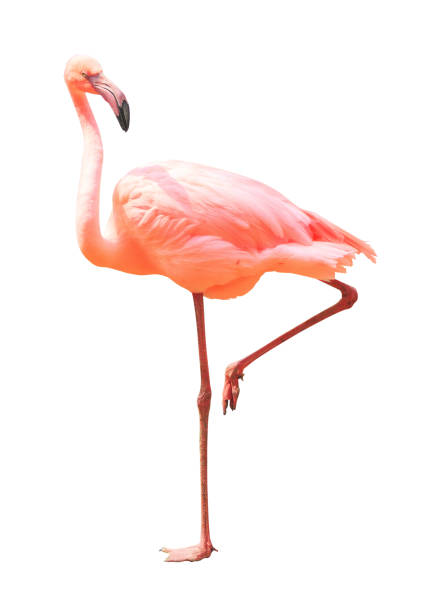
Where to See: Millions gather at Lake Nakuru, Lake Bogoria and Lake Naivasha.
Fun Fact: Flamingos get their pink color from carotenoid pigments found in the algae and crustaceans they eat.
Strongest Adaptation: Specialized beaks that filter-feed algae and plankton, allowing them to thrive in alkaline lakes.
Where to See: Common around Lake Naivasha, Lake Baringo and Lake Victoria.
Fun Fact: Its haunting cry is known as the “sound of Africa.”
Strongest Adaptation: Razor-sharp talons and exceptional eyesight make it a master hunter of fish.
Where to See: Open savannahs of the Maasai Mara, Amboseli and Samburu.
Fun Fact: Kenya’s national bird, famous for its dazzling rainbow plumage.
Strongest Adaptation: Agile flight and acrobatic dives used to catch insects mid-air.
Where to See: Large flocks in Lake Naivasha, Lake Turkana and Lake Elementaita.
Fun Fact: Pelicans often hunt cooperatively, herding fish into shallow waters before scooping them up.
Strongest Adaptation: Huge throat pouches that can hold up to 3 gallons of water and fish.
Where to See: Found in Tsavo, Maasai Mara, Samburu and wooded areas.
Fun Fact: Africa’s largest owl, instantly recognized by its pink eyelids.
Strongest Adaptation: Silent flight that allows it to swoop undetected on prey at night.
Kenya also boasts secretary birds striding across the savannah, hornbills in Samburu, turacos in forests, ostriches in arid lands and weaver birds that fill trees with hanging nests. Birdlife here is as diverse as the landscapes.
Plan Your Safari: From the flamingo-filled Rift Valley lakes to eagles soaring above the Mara plains, Kenya is a birder’s paradise. Whether you’re a seasoned twitcher or a first-time safari-goer, Kenyan Sun Safaris will guide you to the best spots for unforgettable birdwatching.
Where nature tells its story – come be part of it.