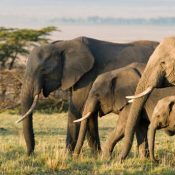


Kenya is one of Africa’s most iconic safari destinations, but beyond the game drives and wildlife photography lies a serious mission: protecting endangered species. For decades, elephants and rhinos have faced severe threats from poaching, habitat loss, and climate change. Today, Kenya has become a global leader in conservation, pioneering efforts to ensure these giants survive for future generations.
Here’s how Kenya is protecting elephants and rhinos—two of the most endangered yet beloved species.
1. Anti-Poaching Patrols & Ranger Training
Poaching once pushed elephants and rhinos to the brink of extinction in Kenya. Today, the Kenya Wildlife Service (KWS), together with local conservancies, has established specialized ranger units. These teams use modern technology—drones, GPS tracking, and night-vision equipment—to monitor wildlife and catch poachers before they strike.
Impact: Elephant poaching in Kenya has dropped significantly in the last decade, with rhino protection efforts seeing similar success.
2. Community Conservancies – People & Wildlife Coexisting
Kenya’s community conservancies are a groundbreaking model where local people benefit from protecting wildlife. Communities receive income through eco-tourism, job opportunities, and revenue-sharing programs, which motivates them to protect rhinos, elephants, and their habitats.
Example: Northern Rangelands Trust (NRT) manages over 40 conservancies, helping elephants and rhinos thrive in previously unsafe areas.
3. Rhino Sanctuaries & Breeding Programs
Kenya has established special sanctuaries where rhinos are protected 24/7.
-
Ol Pejeta Conservancy – Home to the last two northern white rhinos on Earth and a center for advanced breeding research.
-
Lake Nakuru National Park & Nairobi National Park – Important sanctuaries for black and white rhinos.
These sanctuaries combine strict protection with scientific breeding programs to help boost rhino populations.
4. Elephant Corridors & Habitat Protection
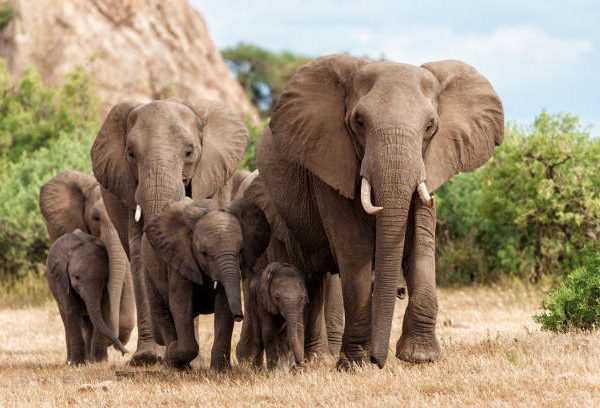
Human-wildlife conflict is a major challenge, especially where elephants migrate through farmlands. Kenya has created wildlife corridors—safe passage routes that allow elephants to move freely between parks without clashing with humans.
Example: In Amboseli, wildlife corridors connect elephants to the Chyulu Hills and Tsavo, helping reduce crop destruction and ensuring genetic diversity.
5. Strong Wildlife Protection Laws
Kenya has some of the toughest anti-poaching laws in Africa. Offenders face heavy fines and long jail terms. This legal framework, combined with international cooperation, has deterred poaching syndicates and strengthened wildlife security.
6. Eco-Tourism Supporting Conservation
When you visit Kenya on safari, part of your park fees and lodge payments goes directly into conservation. Many eco-lodges and camps reinvest in wildlife protection and community projects, making tourism a driving force in conservation.
Final Thoughts
Kenya’s elephants and rhinos are global treasures, and while threats remain, the country has made remarkable strides in conservation. From anti-poaching patrols and rhino sanctuaries to community-led initiatives, Kenya is proving that with commitment and innovation, endangered species can be saved.
As a traveler, your choice matters too. By visiting Kenya and supporting eco-friendly safaris, you play a direct role in protecting these giants for generations to come.